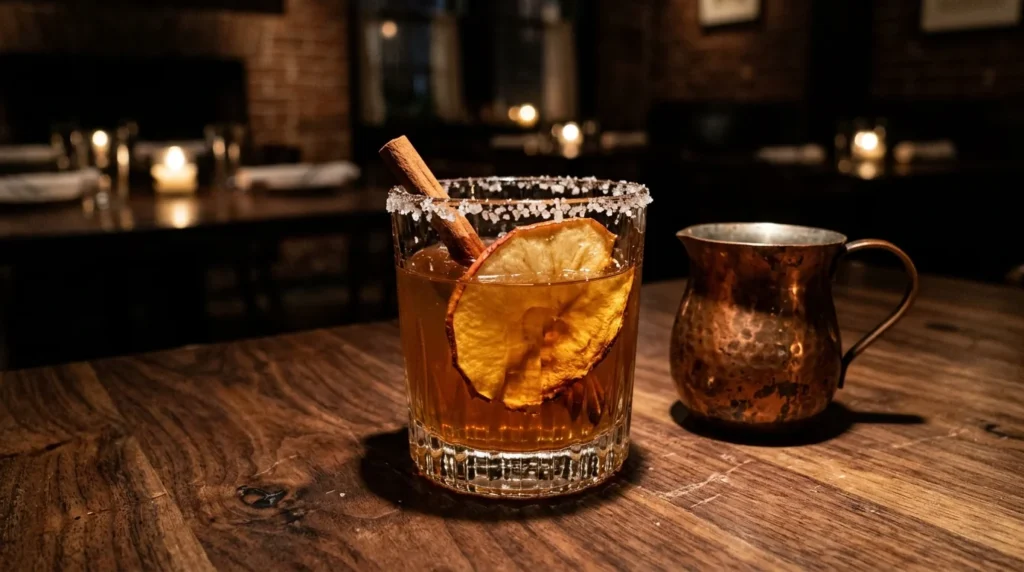
Boston’s brisk autumn invites a renewed appreciation for our city’s deep historical roots. As the lively foliage deepens across Beacon Hill and along the Charles River, many seek warmth in traditions. For those appreciating authentic flavor and refined technique, apple cider cocktail recipes offer a direct connection to New England’s colonial past. These drinks were a staple for early settlers, providing a common and crucial beverage.
This season, the focus shifts to robust, warming libations that celebrate the region’s abundant harvest. High-performance individuals in the Boston metro area, often found at Equinox Sports Club or navigating the Seaport, prioritize both wellness and genuine experience. These heritage cocktails meet that standard, blending restorative properties with a rich cultural narrative.
How Did Cider Shape Colonial New England?
Cider was not merely a recreational drink in colonial New England. It served as a fundamental daily staple, often consumed by colonists as a safer alternative to questionable water sources. The Massachusetts Historical Society, located at 1154 Boylston Street in Fenway/Kenmore, details how colonial New England was awash in ales, beers, wines, cider and spirits. Hard cider was a common and important drink of the era.
This extensive culinary lineage is still honored today. Downeast Cider House, an East Boston establishment at 256 Marginal Street, produces hard cider that reflects this historical importance. Their approach connects modern palates to a deeply ingrained colonial tradition, proving that some tastes are truly timeless. The legacy of orchard-based beverages remains a distinctive part of our regional identity.
Discover more about Boston’s historic foodways
What Defines a Heritage Apple Cider Cocktail?
A heritage apple cider cocktail captures the essence of early American ingenuity with sophisticated flavor. The emphasis lies on high-quality, unfiltered apple cider, which provides a genuine sweetness and tartness. This base is then refined with aged spirits, aromatic bitters, and subtle spices that evoke autumn’s depth. Balance is key, creating a drink that is both comforting and impeccably refined.
The craft involves precise ratios to ensure each ingredient contributes without overpowering the apple’s character. Modern iterations might include a smoked element or a specific botanical, yet the core remains a tribute to simple, potent ingredients. This approach aligns perfectly with a health-conscious desire for natural, quality components in every aspect of life.
Recipe: New England Orchard Rye
This recipe honors the ancestral spirits of New England, bringing a modern twist to colonial flavors.
Prep Time: 10 minutes
Cook Time: 0 minutes
Total Time: 10 minutes
Servings: 1
Ingredients:
- 2 ounces rye whiskey, aged
- 3 ounces unfiltered apple cider, locally sourced
- 0.5 ounce fresh lemon juice
- 0.5 ounce pure maple syrup, Grade A Amber
- 3 dashes Angostura bitters
- 1 sprig fresh rosemary, for garnish
- Ice, large cube preferred
Instructions:
- Add rye whiskey, unfiltered apple cider, fresh lemon juice, pure maple syrup, and Angostura bitters to a cocktail shaker.
- Fill the shaker with ice.
- Shake vigorously for 15-20 seconds, until thoroughly chilled.
- Strain the mixture into a chilled rocks glass, over a large ice cube.
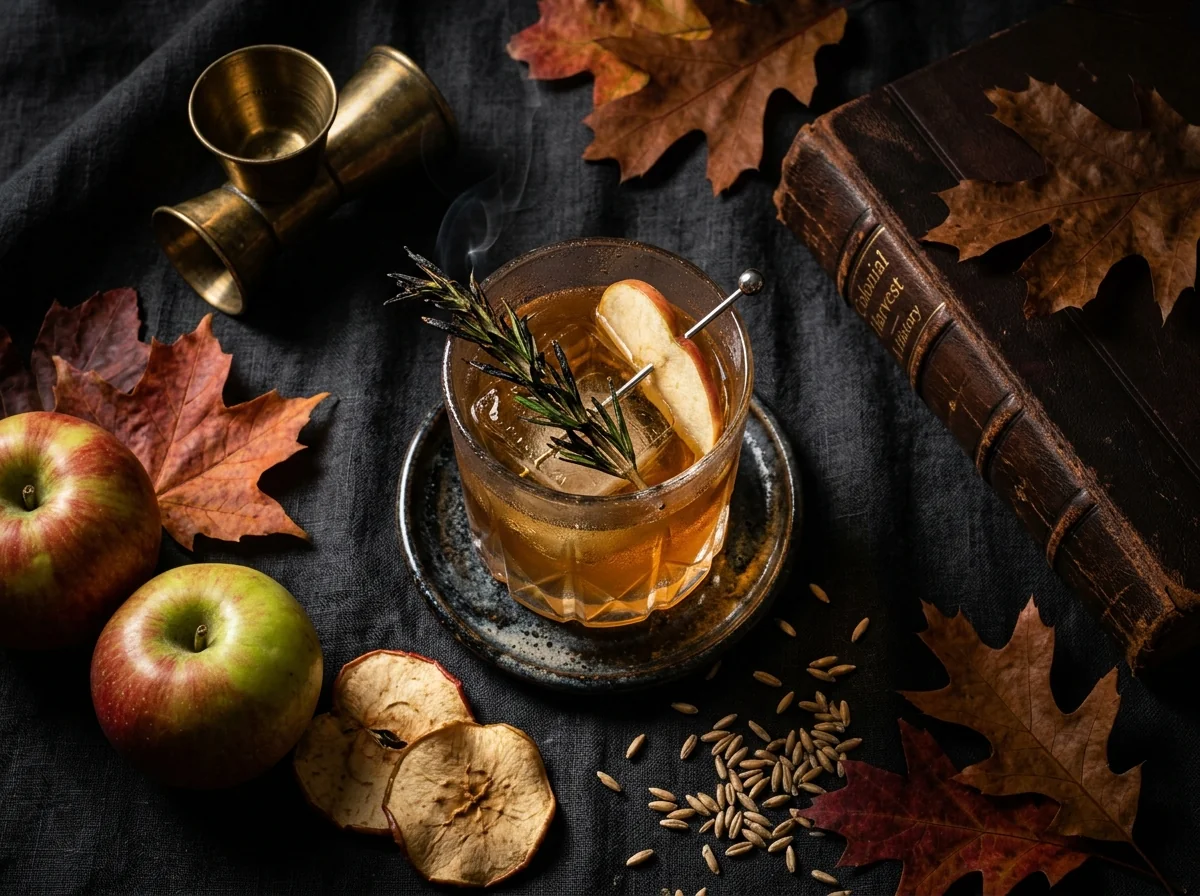
- Gently torch the rosemary sprig for 5-10 seconds to release its aromatic oils.
- Garnish the cocktail with the smoked rosemary sprig.
Cook’s Notes and Variations
For an refined experience, consider smoking the rosemary sprig with a kitchen torch before garnishing. This releases a nuanced, aromatic smoke that complements the rye whiskey’s character. If a torch is unavailable, simply crush the rosemary between your fingers to release its oils. For a sparkling variation, add 1 ounce of dry sparkling wine or hard cider to the finished cocktail. Adjust maple syrup to taste, depending on cider sweetness and personal preference.
Where Can Boston Find Seasonal Ingredients?
Sourcing the finest seasonal ingredients is fundamental to crafting these distinctive cocktails. Boston offers an array of local markets that provide fresh, regional produce. The Boston Public Market, located at 100 Hanover Street, operates year-round from Wednesday to Sunday, offering an exceptional selection of local apples and ciders. This allows for direct access to the freshest ingredients.
For those in the Back Bay, the Copley Square Farmers Market, at 139 St James Avenue, provides another excellent option on Tuesdays and Fridays. Shoppers can find crisp apples and local honey, essential for maple syrup alternatives. The commitment to local sourcing enhances both the flavor and the eco-conscious appeal of these autumn beverages.
How Do Boston’s Historic Taverns Honor This Legacy?
Boston’s historic taverns and establishments maintain the colonial appreciation for apple-based drinks, albeit with modern refinement. The Bell in Hand Tavern, America’s oldest continuously operating tavern, on 45 Union Street in Historic Downtown Boston, features drinks that include cider. Its Old Orchard Treaty cocktail connects directly to the historical prevalence of apple-based beverages in colonial times.
Just steps away, the Union Oyster House at 41 Union Street, the nation’s oldest continuously operating restaurant, offers a setting steeped in history. Patrons can enjoy beverages in a pre-Revolutionary War building, reflecting the diverse drinks consumed by Bostonians since 1826. Similarly, Warren Tavern in Charlestown, 2 Pleasant Street, founded in 1780 and frequented by historical figures, lists Downeast Original Cider on its menu. This reinforces cider’s significant role as a common colonial New England drink. Even the Boston Tea Party Ships & Museum on 306 Congress Street, in Fort Point Channel, offers Liberty Teas in Abigail’s Tea Room that incorporate apples, a nod to patriotic substitutes for British tea.
These establishments ensure that the restorative spirit of colonial New England’s beverage culture remains accessible. Crafting an apple cider cocktail at home or enjoying one in a storied setting connects you to centuries of Bostonian tradition. It offers a taste of heritage that is both deeply satisfying and intellectually rich, perfect for the refined Bostonian autumn.
Weekend Farmers Market & Holiday Market Sourcing Guide (Boston)
Planning your Saturday or Sunday morning outing in Boston? Source farm-fresh seasonal ingredients, small-batch baked goods, and holiday table provisions directly from these verified weekend farmers markets and upcoming holiday markets:
- Boston Public Market: 100 Hanover St, Boston (Wednesday – Sunday 8:00 AM – 6:00 PM (Year-Round))
- Copley Square Farmers Market: 139 St James Ave, Back Bay (Tuesdays & Fridays 11:00 AM – 6:00 PM)
- SoWa Open Market: 500 Harrison Ave, South End (Sundays 11:00 AM – 4:00 PM)
- Upcoming Holiday Market Spotlight — Snowport Holiday Market at Seaport: 100 Seaport Blvd, Boston Seaport (November – December)
- Upcoming Holiday Market Spotlight — SoWa Winter Festival: 550 Harrison Ave, South End (Late November – December)
Curated Literature & Boston Downtown Calendar
The Architecture of Focus: Deep Work & Modern Mastery
By Founders Library Press
A structured framework for strategic clarity, productivity, and authentic execution.
Upcoming Downtown Happenings
Live acoustic sessions, gallery receptions, literary salons, and independent trade shows across Boston.